
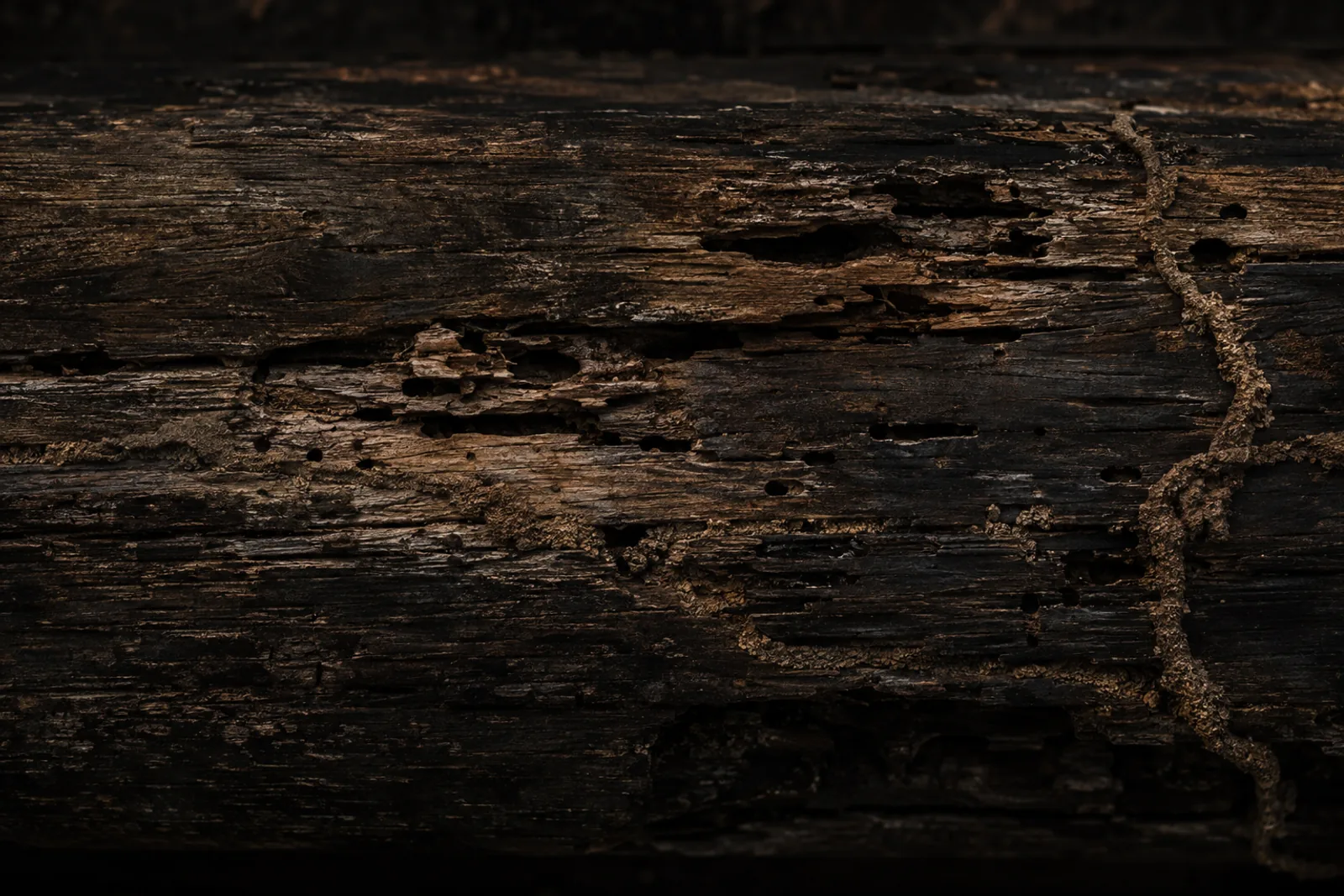
Twelve months is the number that matters
Australian Standard AS 3660.2 sets out how termite management works for existing buildings, and it is clear on one point: most homes should be inspected at intervals not exceeding 12 months, and more often where the risk is high. The reason is the speed of the main species we deal with. A mature Coptotermes acinaciformis colony contains hundreds of thousands of workers, and once they have found their way into a house they feed continuously. A home that was clear last spring can have a joist hollowed out by the following autumn.
An annual termite inspection turns that risk into a routine. Instead of hoping nothing is happening under the floor, you get a dated report each year that says what the inspector saw, what has changed since last time and what needs attention. Over a few years that record becomes a genuine history of the property, useful when you sell, when you renovate, or when a neighbour finds white ants and you want to know whether you should be worried.
Why the Inner West needs it more than most
Seddon, West Footscray, Maribyrnong and Moonee Ponds sit on heavy clay that holds moisture long after rain, which is exactly what subterranean termites need to move through the soil. The Maribyrnong River, Stony Creek and their surrounding parklands are lined with mature eucalypts, the natural food and nesting source for Coptotermes. Older streets are full of Federation and Edwardian weatherboards with low, poorly ventilated subfloors, and the newer townhouse infill from the 1990s and 2000s was often built with a barrier system that is now two decades old.
Put simply, the ground is favourable, the food is abundant and the buildings are edible. Termite pressure in these suburbs does not go away because a home has been clear for a few years. It changes with the seasons, with the weather, with what the neighbours do in their gardens, and with the slow deterioration of any protection that was installed in the past. A yearly check is the only way to stay current.
What a yearly visit involves
Each annual inspection is a complete AS 3660.2 inspection, not a shortened version. The inspector covers the accessible interior, subfloor, roof void, exterior walls, outbuildings and grounds, using a moisture meter and sounding tools, and may use thermal imaging or a termite detection radar where they add value. Our inspectors hold the licensing Victoria requires for pest management.
The difference from a one-off inspection is context. We have last year’s report in hand, so we know which subfloor corner had the elevated moisture reading, which vent was blocked, where the downpipe was discharging against the wall. If those things have been fixed, we confirm it. If they have not, we say so again, because unresolved conducive conditions are the most common reason a previously clear home ends up with an infestation.
Checking existing protection
Many Inner West homes already have some form of termite management in place. Chemically treated zones around the perimeter, physical barriers under slabs, or baiting stations in the garden all need to be inspected to stay effective. During the annual visit we check that a chemical barrier has not been bridged by a new garden bed, path or deck, and that baiting stations are still in place, accessible and being monitored. Where a treated zone is approaching the end of its expected life, we flag it so you can plan for renewal rather than discover the gap after termites have.
Noticing what changed
Houses change. People build decks, extend kitchens, plant gardens, install water tanks and put up sheds. Every one of those jobs can create a new path for termites, usually by putting timber, soil or moisture where it was not before. Because we see the property every year, those changes stand out. A retaining wall built from treated pine sleepers against the weatherboards, a hot water service overflow dripping into the subfloor, a pile of firewood stacked beside the garage: all easy to fix, all easy to miss without a trained eye.
The report and what happens next
After each visit you receive an updated written report with photographs, a risk rating and a list of any conducive conditions, with the previous year’s items marked as resolved or outstanding. Most years the report will be reassuring. Occasionally it will not be, and that is the point. Finding termites during a routine inspection means they are found early, while the damage is small and a termite treatment is a manageable job rather than a structural repair.
When something is found, we explain the options and the order of priority. Sometimes the best first move is fixing a leaking tap. Sometimes it is a treatment followed by a barrier. We put the recommendation in writing and leave the decision with you.
Who books annual inspections
Homeowners in Seddon and West Footscray with original weatherboards over timber subfloors are the classic case, but the service suits anyone who would rather know than guess. Owners of post-war brick veneer in Braybrook and Sunshine book because the timber frame behind the brick is invisible until it fails. Landlords book to protect the asset and keep a documented history. Buyers who had a pre-purchase inspection often continue with annual checks from their first year of ownership. Owners with a barrier or baiting system book because the system’s ongoing effectiveness depends on it.
Getting started
If your last inspection was more than a year ago, or you have never had one, the first annual inspection is simply a full termite inspection that sets the baseline. From there we note the due date and get in touch before it comes around. Contact us for a free quote, tell us the suburb and the type of home, and we will suggest an inspection interval that suits the level of risk.