
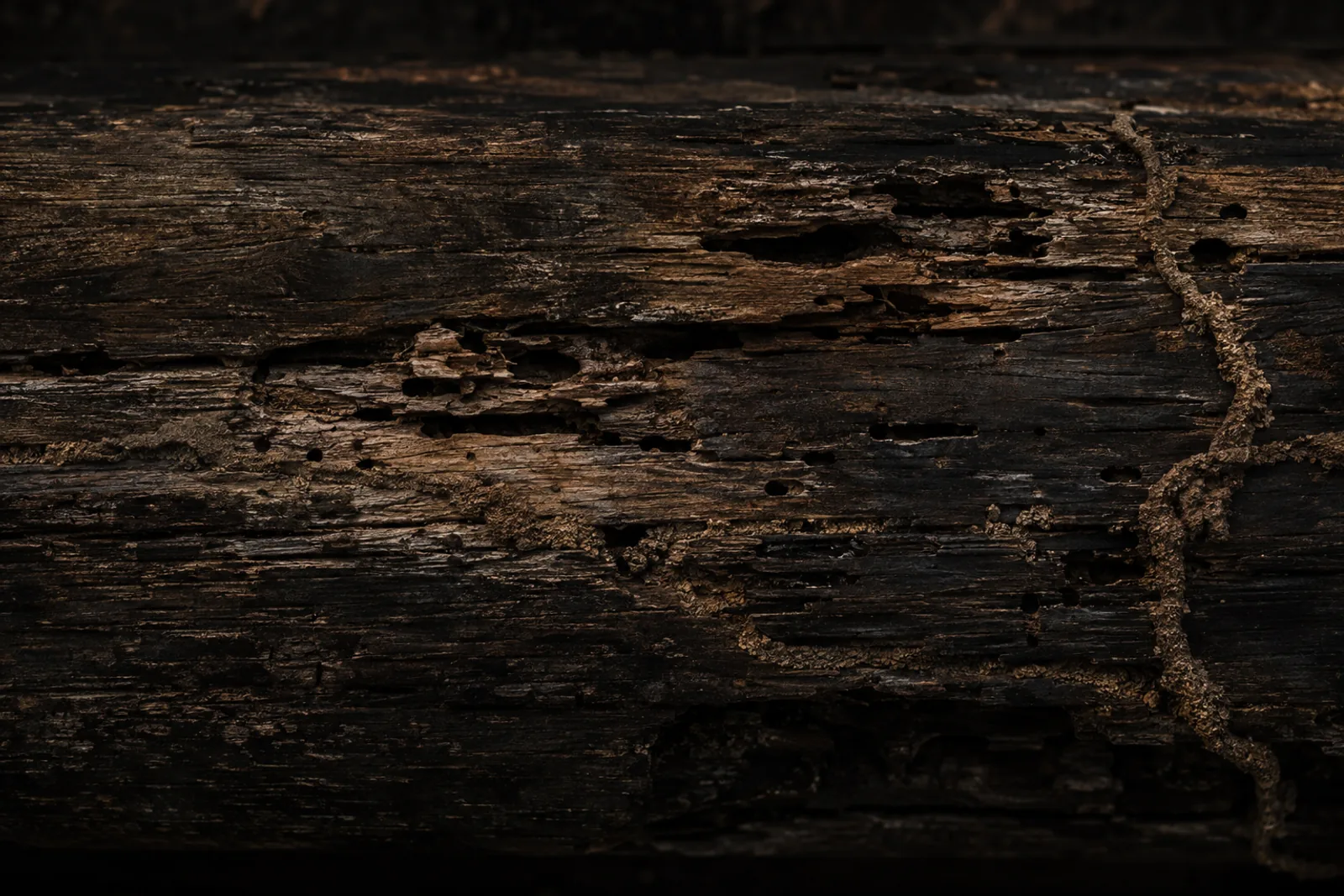
The one inspection Inner West buyers should not skip
Buying a home in Yarraville, Seddon, Williamstown or Newport usually means buying old timber. Victorian and Edwardian weatherboards, Federation villas and interwar Californian bungalows dominate these streets, and even the brick homes carry timber floors, timber frames and timber roofs. In an area with heavy clay soil, a high water table near the Maribyrnong River and Stony Creek, and gum trees lining the nature strips, that timber has been sitting within reach of subterranean termites for a very long time.
A pre-purchase termite inspection, properly called a timber pest inspection under Australian Standard AS 4349.3, is the check that tells you what has been happening to that timber before you pay for it. It is separate from a building inspection. A building inspector looks at the structure, roof, plumbing and general condition. A timber pest inspector looks specifically for termites, borers and wood decay fungi, the three pests that damage timber from the inside without showing on the surface. Buyers who rely on a building report alone often get a single line noting that termites were not looked for.
Because termite damage is generally not covered by home insurance in Australia, whatever damage exists at settlement becomes your problem to fund. The inspection is your only chance to find out beforehand.
Fitting the inspection into a Victorian sale
In Victoria, a private sale contract can be made conditional on a satisfactory building and pest inspection if the clause is written in before you sign and the vendor accepts it. At auction there are no conditions, so any inspection has to be completed before you raise your hand. Either way, the practical steps are the same.
You contact us with the address, the agent’s details and the date you need the report by. We arrange access with the selling agent, because a proper inspection cannot be done during a crowded open-for-inspection. On the day, the inspector works through the property in the same order as any other termite inspection, with a few extra points of focus that matter when the home is about to change hands.
Reading a house that has been dressed for sale
Vendors tidy up before selling. Fresh paint, new carpet, replaced skirtings and a rendered front wall all look great in photographs and all hide timber. We treat freshly finished surfaces with particular care, taking moisture readings through new paint and plaster, sounding replaced skirtings and looking for the small tells that repairs were made recently: a mismatched timber profile, a patch of new render on an old bluestone footing, a section of subfloor that has been recently cleaned while the rest is untouched.
Evidence of past treatment
We also look for signs the property has been treated before. Drill holes in a concrete slab or paving at regular intervals usually mean a chemical barrier was injected. Bait stations in the garden mean a baiting programme was run at some stage. Neither is a bad sign in itself, but it tells you the property has a history, and it raises the question of whether a treatment certificate or durable notice exists. If one is found in the meter box, we photograph it for your file.
Subfloor, roof and grounds
The subfloor is where most of the answers are. In Kingsville and Seddon the original stumps are often gone but the bearers and joists are original, and a torch and a moisture meter will tell us more about the house than anything visible from the street. We check the roof void for mud packing and damaged top plates, then walk the grounds looking at fences, retaining walls, stumps and any timber against the house, as these are the routes termites use to get in.
What you get and how to use it
The report is written to AS 4349.3 and identifies any termite activity, termite damage, borer activity, fungal decay and conducive conditions, with photographs. Every area that could not be inspected is listed with the reason. That list matters. If the subfloor was inaccessible because the hatch was screwed shut, you can ask the agent to have it opened before the contract goes unconditional.
Once you have the report, we talk it through with you. Damage in a non-structural skirting is a very different matter from damage in a bearer under the bathroom. Historical borer holes in Baltic pine floorboards are common in the Inner West and rarely a reason to walk away. Live Coptotermes activity in a wall cavity is something to price into your offer or hand back to the vendor to resolve before settlement. Our job is to make sure you understand the difference, so that the decision you make is an informed one.
After settlement
If the report identifies live activity or a high-risk situation, the sensible sequence is to arrange a termite treatment as soon as you have the keys, before any renovation work disturbs the colony. If the property is clear but sits in a high-risk street, an annual termite inspection from your first year of ownership keeps you ahead of any change. Many buyers in Williamstown and Newport ask us to come back after the moving boxes are gone to inspect the areas that were blocked by the vendor’s furniture on the first visit.
Booking a pre-purchase inspection
Send us the address, the agent’s contact details and the auction or contract date through our contact page and we will come back to you with a free quote and available times. If you already have a building inspector booked, let us know, as it can be convenient for both inspections to happen on the same visit. Whether the property is a weatherboard in Seddon or a brick veneer in Altona, the aim is the same: no surprises after you own it.